

Music therapy works because music reaches us on a deep human level. It taps into memory, emotion, movement, and connection – all at once. The music is tailored to each person’s needs and can be as gentle or as active as necessary.
Music therapists are highly skilled and trained musicians as well as experienced therapists.
Music can have a variety of positive impacts for everyone, including effects on mood, health and social well-being. However music therapy is a specific, professional and evidence-based approach that is systematically designed to provide meaningful change in people’s lives in a range of ways:
- Supporting children with developmental needs
- Providing comfort in palliative and hospice care
- Aiding physical rehabilitation
- Improving mental health
High-quality research ensures that we are using music therapy in the most effective ways to deliver the best impact. It can also open further funding opportunities and access so that everyone can experience the benefits.
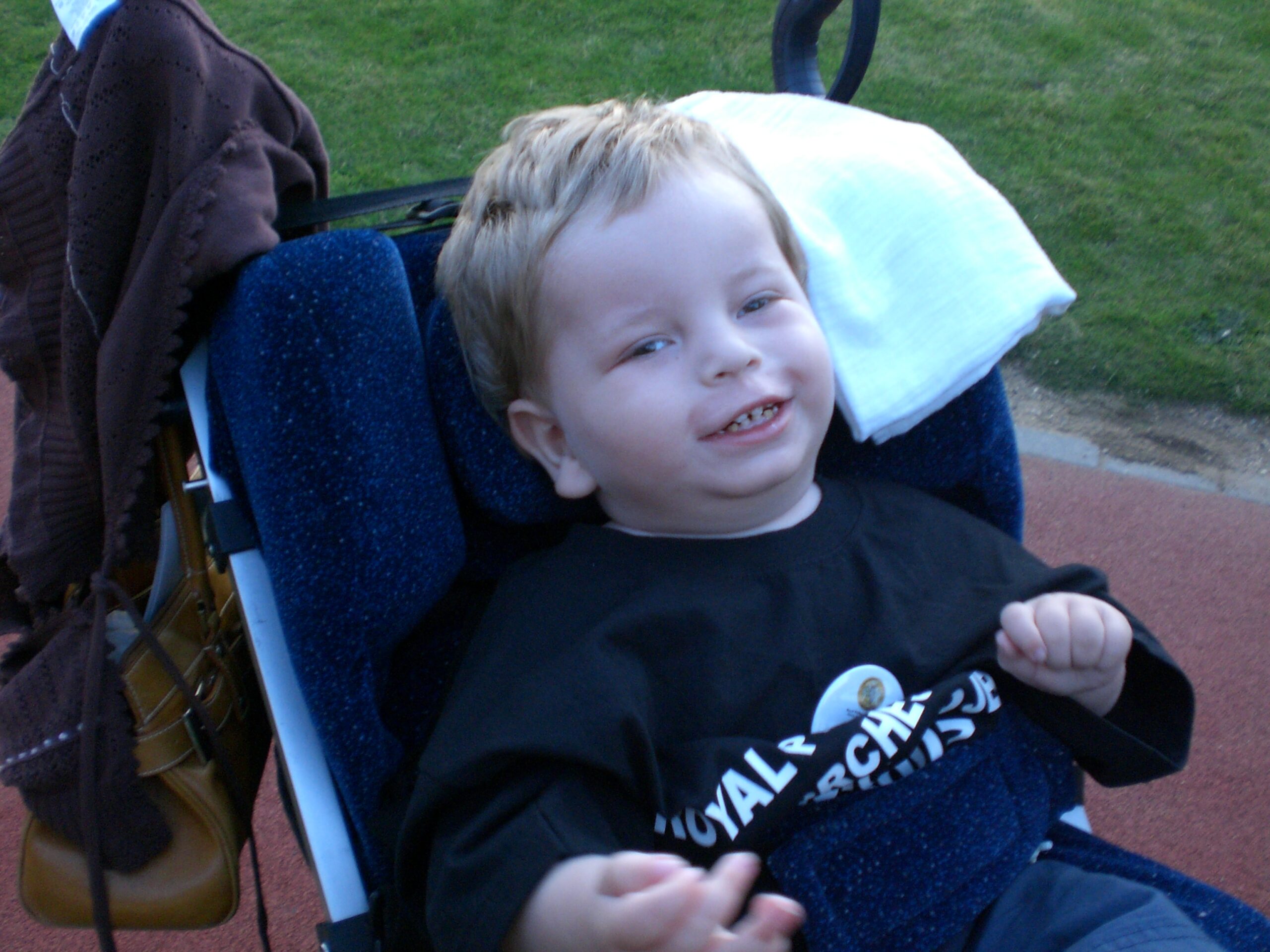
How Music Therapy Helped Fraser Shine
When Fraser was born with a rare, life-limiting and fragile medical condition, his parents faced challenges integrating into everyday community baby activities which led to feelings of isolation. This meant they were left searching for a place where Fraser could belong. That sanctuary came through Christopher’s Children’s Hospice, where music therapy became a lifeline. Led by therapist Vicky Kammin, Fraser’s weekly sessions sparked joy, engagement, and connection – demonstrating his capacity to learn and express himself. Music therapy evolved into larger projects, including workshops with the Royal Philharmonic Orchestra and a televised performance, allowing Fraser to be celebrated for his abilities. These experiences gave his family pride and lasting memories, transforming their grief into moments of joy. Music therapy gave Fraser a voice and his parents a sense of belonging in a world that could have been defined by loss. It was through love and music that Fraser truly shone.
Why research is important to music therapy
Music therapy is a powerful tool, but it needs to be led by rigorous, high-quality research. Research doesn’t just validate what music therapists do, it actively drives better outcomes for clients, families, and the wider healthcare system. Better research means better results, more personalised care and helps build trust with healthcare professionals and policy makers. The Music Therapy Charity funds essential and pioneering research which supports the growth and reputation of the profession.